
Powering Every Application. Empowering Every Industry.
From cruise ships at berth to factory floors, commercial buildings, solar farms, and EV charging bays — AURALIS engineers power systems for the exact conditions of your industry.
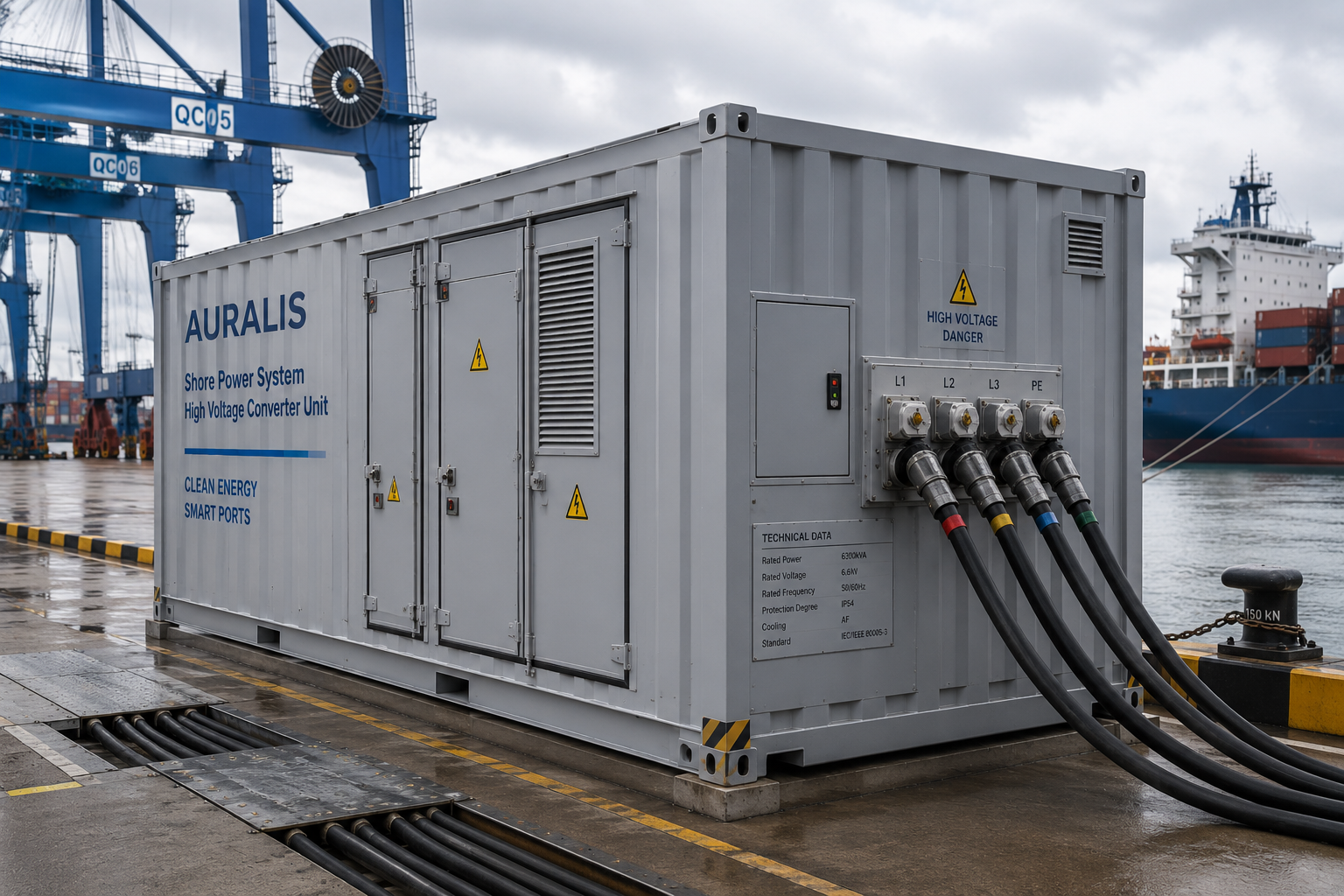
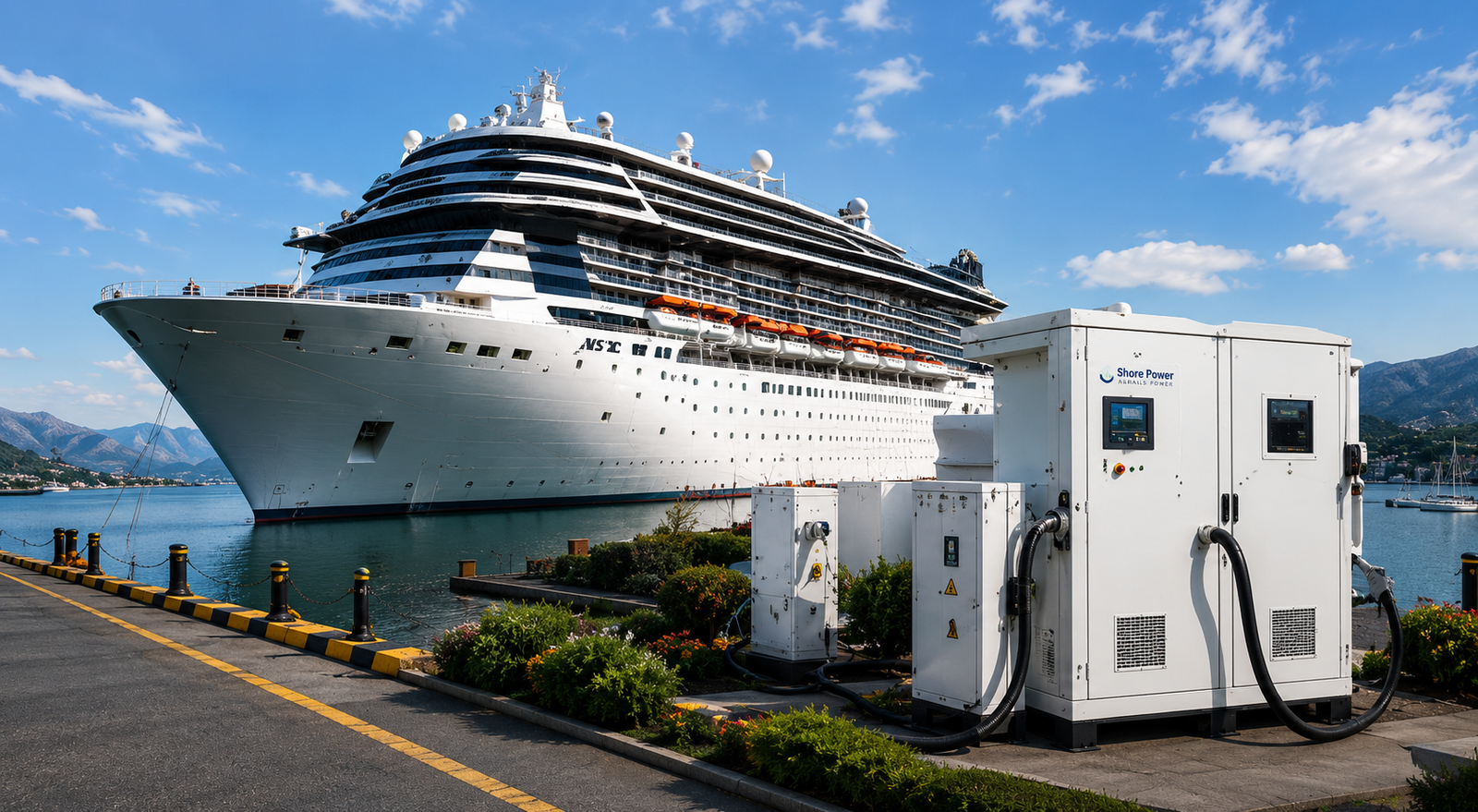
Every Hour a Ship Idles at Berth Burns Fuel It Doesn't Need To
When a cruise ship, container vessel, or ferry docks, its diesel auxiliary engines keep running — burning fuel, generating emissions, and creating noise right next to terminal operations, crew quarters, and nearby communities. Port authorities everywhere are under growing pressure to fix this, both from environmental regulation and from cruise lines demanding shore power access as a condition of berthing.
AURALIS shore power systems let vessels shut down engines completely at berth and draw clean, stable power from the grid instead — from a single 400kVA container terminal berth to a 10,000kVA high-voltage cruise terminal installation. Built specifically for the harshest maritime power environment: salt air, monsoon humidity, constant vibration, and the massive inrush current of a ship's electrical load switching on all at once.
- CCS certified to JTS-155-2019, the marine standard port authorities and classification societies require
- Low voltage AC60 series (400–5,000kVA) for container terminals and mid-size berths; high voltage GYBP60 series (1,250–10,000kVA) for cruise terminals and large port infrastructure
- Deployed at berths across five continents, with a growing footprint at container terminals, cruise terminals, and shipyards worldwide
- Modular power units absorb ship-side inrush current without the voltage drop that damages sensitive onboard electronics
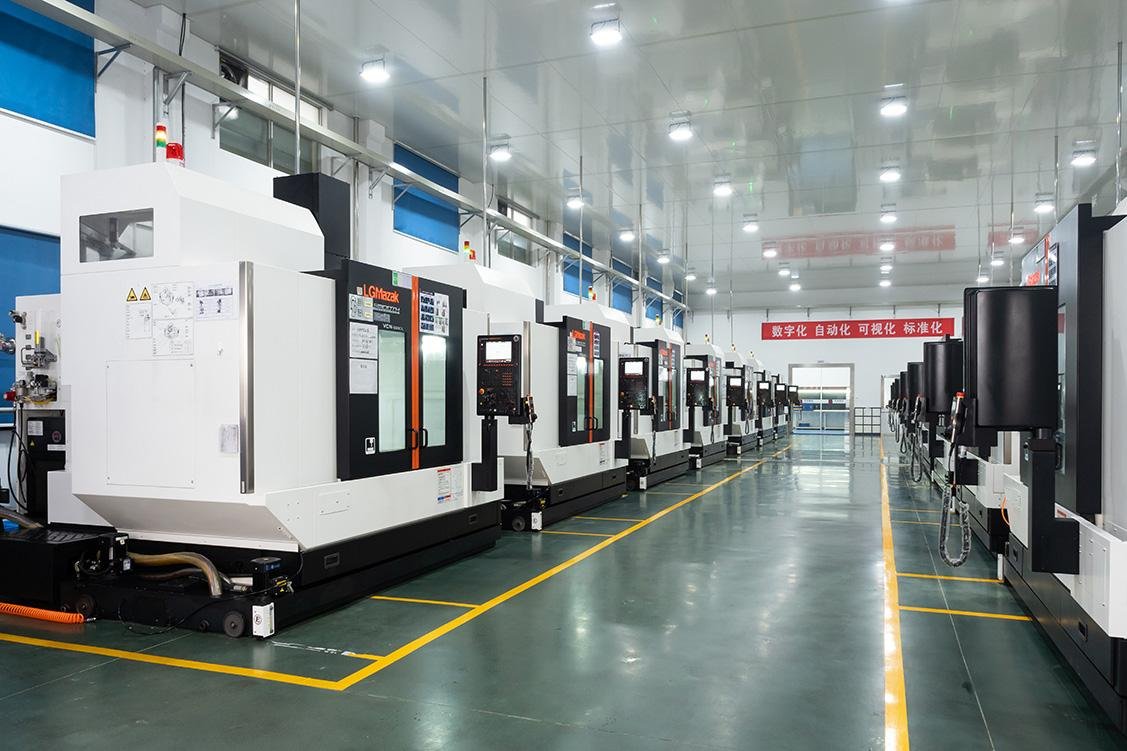
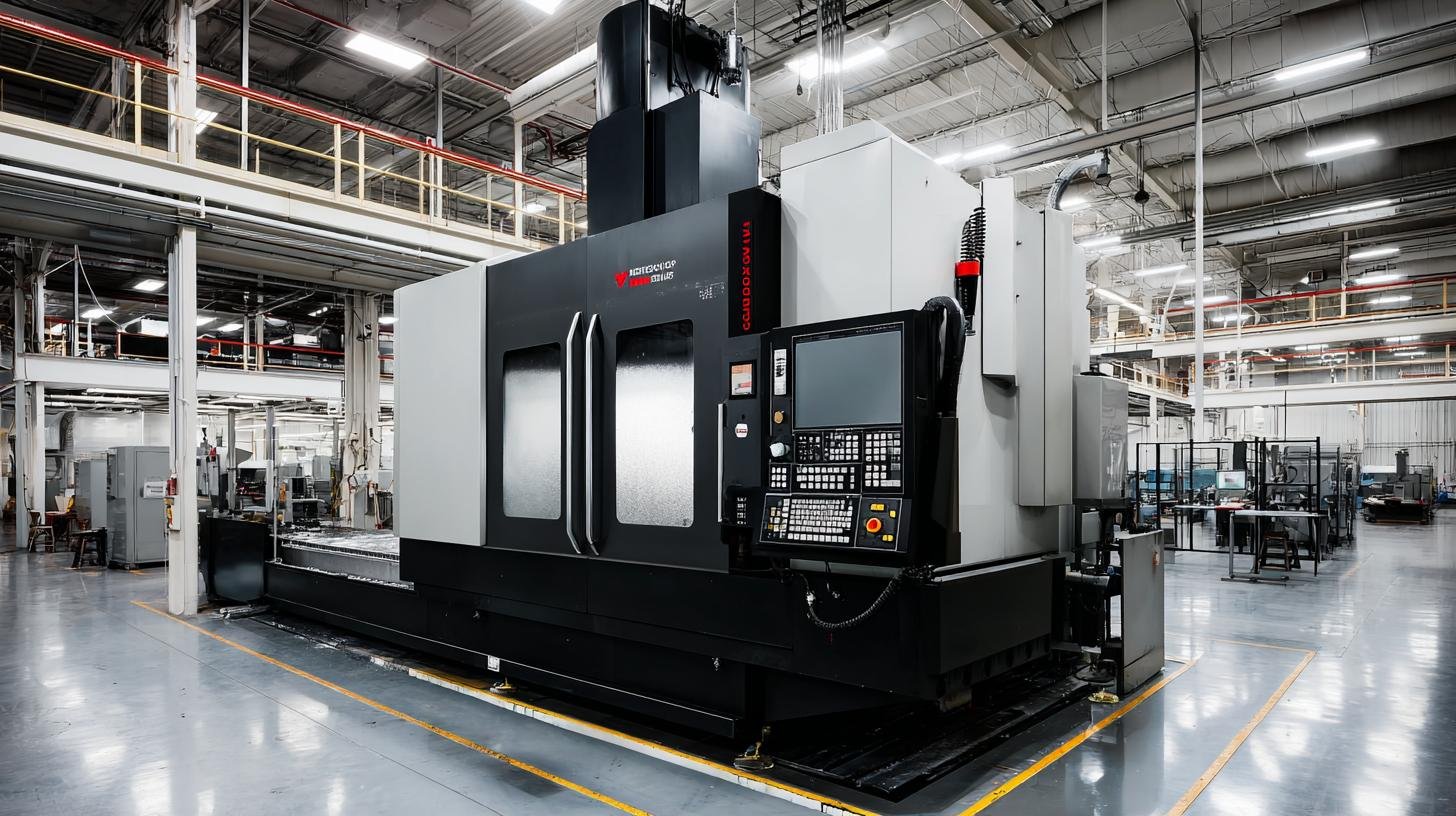
Your Imported Machine Wasn't Built for This Grid — And It's Telling You So
A 60Hz CNC machine imported from the US, Japan, or South Korea will run roughly 20% faster than its rated speed the moment you connect it to a 50Hz grid. In countries where the grid runs the other way — 60Hz instead of 50Hz — the problem simply reverses: 50Hz equipment overspeeding on the local supply. The symptoms show up as motor overheating, premature bearing failure, timing errors on synchronous controllers, and warranty claims that get denied because the equipment was run out of spec.
AURALIS industrial AC power sources solve this at the source — not by replacing your equipment, but by delivering exactly the frequency and voltage it was built for. Our AC80 series was purpose-engineered for imported and exported equipment power allocation; our AC60 variable-frequency series scales up to supply an entire production line; and our AC50 series protects precision electronics from the voltage sags and distortion common on industrial grids.
- Not a VFD — a static frequency converter changes the grid frequency itself, correcting the root cause rather than compensating one motor at a time
- Step and ramp-up/down functions reduce inrush current damage to motors and compressors on startup
- Same technology also used for export testing — simulate your destination market's grid before you ship, and catch compatibility issues before your customer does
- AC50 series is a drop-in replacement for aging ferroresonant voltage regulators, with far higher accuracy and no moving parts to maintain
The Electricity Bill That Punishes You for Your Busiest Hour
Malls, hotels, office towers and campuses don't just pay for how much power they use — in most commercial tariff structures, they pay a demand charge based on their single highest peak of consumption in a billing period. A facility manager running HVAC, elevators, and building systems simultaneously during a mid-afternoon peak can see that one hour define the entire month's bill.
Our HC-261KWh commercial & industrial storage cabinet stores energy during low-cost, low-demand periods and discharges it during peaks — flattening the building's demand curve and cutting the peak charge that drives most of the cost. It's an outdoor, liquid-cooled, IP55-rated cabinet designed to sit beside a building and run unattended for years, with parallel expansion built in from day one so the system grows as the building's load grows.
- Peak shaving and valley filling cut demand charges without changing how the building operates day to day
- Self-developed EMS with real-time multitask monitoring — building managers see state of charge, discharge schedules, and savings from one dashboard
- Modular parallel expansion means one cabinet today can become a multi-cabinet system as the property adds tenants or floors
- For microgrid-capable buildings, pairs directly with our BNSA-KS industrial DC-AC inverter series (10–2,000kVA) for backup power independent of the utility grid
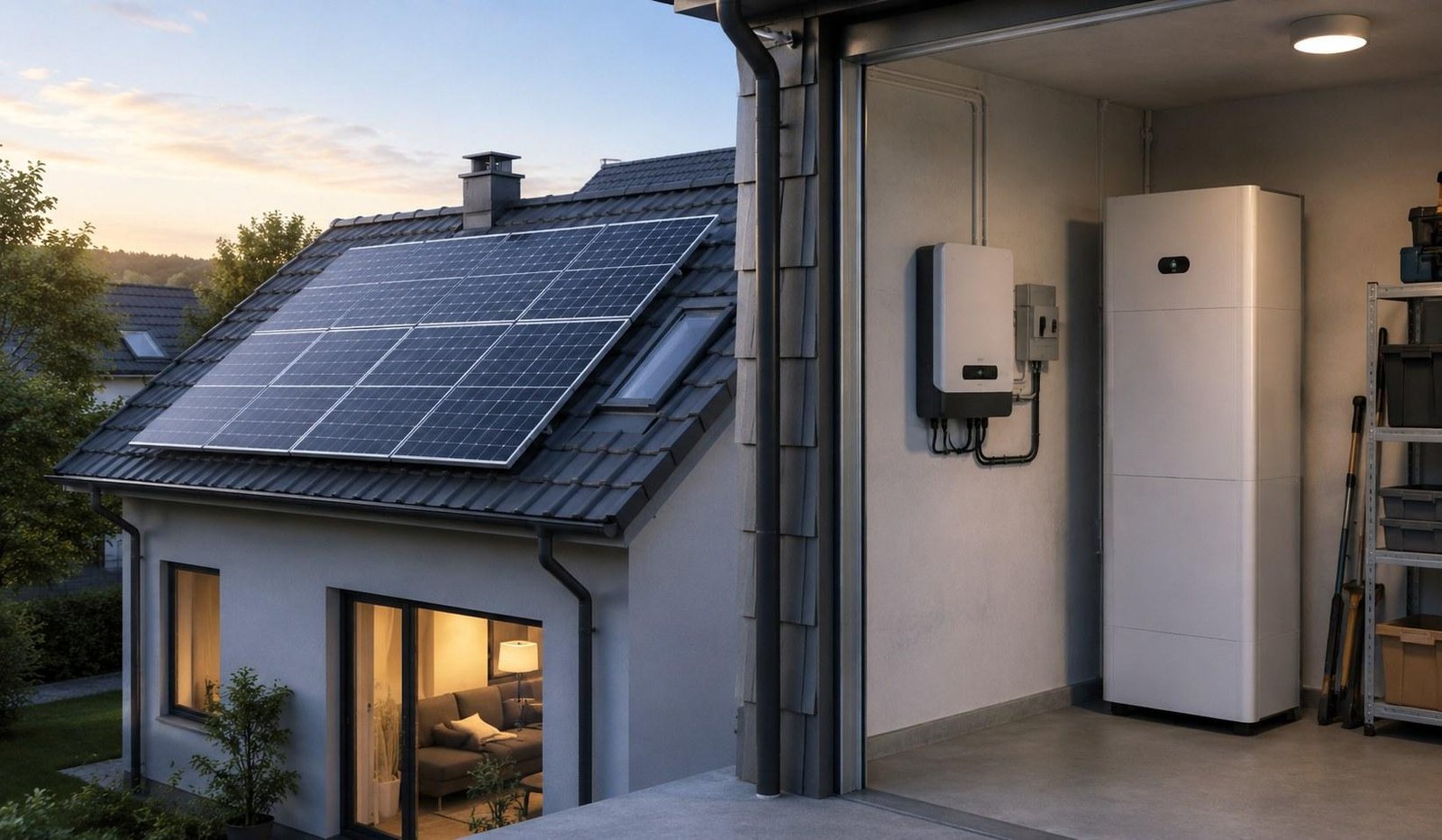
Solar Panels Generate All Day. Your Household Needs Power All Night.
A rooftop solar array produces most of its energy between late morning and mid-afternoon — exactly the hours when many households are empty and using the least electricity. Without storage, that surplus energy is exported back to the grid for a fraction of its value, and the household still pays full price for grid power after sunset. In markets with frequent outages, the problem compounds: no sun means no backup, unless there's a battery in between.
Our HJ-series home battery storage (14.3–20kWh) closes that gap, storing solar surplus for evening use and providing seamless backup during outages. For sites without reliable grid access at all — remote facilities, agricultural operations, construction sites — our BNSA-KD/KS industrial DC-AC inverter series pairs with storage to deliver stable, pure sine-wave power completely independent of the utility grid, from single-phase 3kVA up to three-phase 2,000kVA.
- LiFePO4 chemistry with three-level BMS monitoring — UL and UL9540A certified for battery safety
- AI-driven charge/discharge strategy automatically shifts consumption to match solar generation and off-peak tariff windows
- Compact footprint installs in 0.2m², with support for multiple-unit parallel expansion as household or facility needs grow
- 10-year warranty backed by 24-hour service response — built for markets where reliability matters more than anywhere else
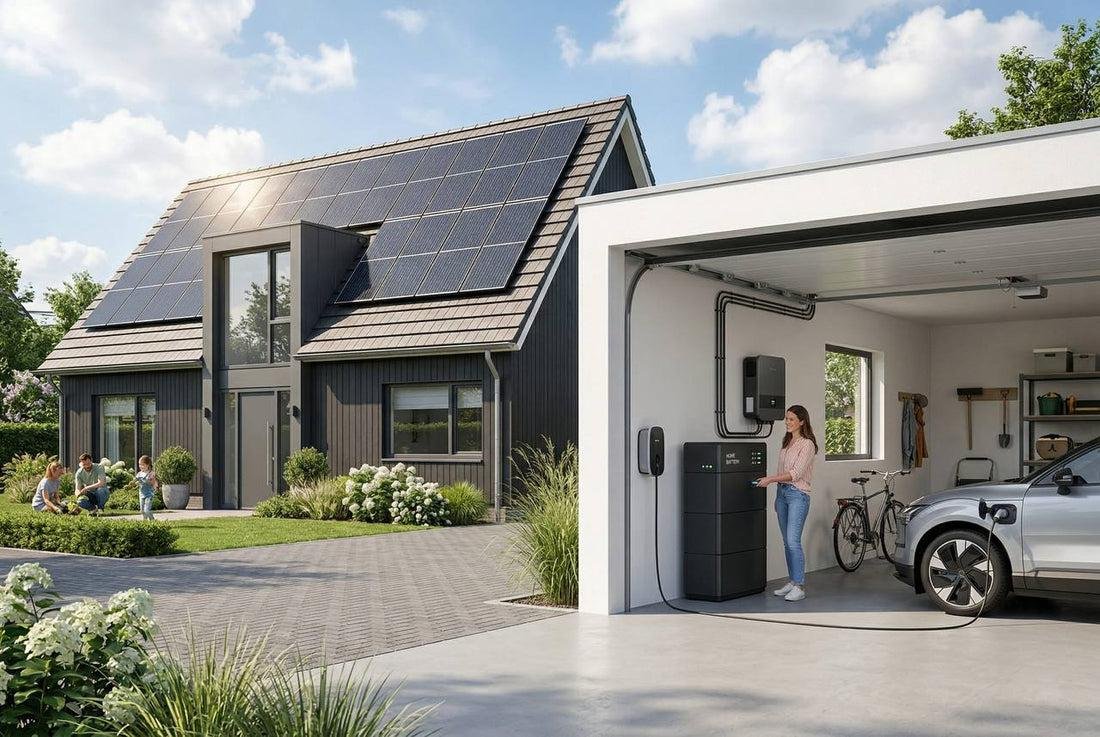
EV Adoption Is Outrunning Charging Infrastructure Almost Everywhere
EV sales are accelerating faster than most markets planned for, with some countries seeing adoption double year over year and governments setting public targets for thousands of new DC fast-charging stations within the decade. Property developers, fleet operators, and municipalities are being asked to install charging infrastructure faster than most have planned for, across a huge range of use cases: a single home charger, a hotel parking lot, or a logistics depot charging a fleet overnight.
AURALIS covers that entire range from one product family. Our HY-AC chargers (7/11/22kW) handle residential and small commercial installations on standard single- or three-phase power. Our HY-DC wall-mounted chargers (15–40kW) bring fast charging to workplaces and destinations with app control and multi-connector support. And for public parking, fleet depots, and highway service areas, our dual-gun DC fast chargers scale from 60kW up to 480kW per unit.
- CCS / CHAdeMO / GB/T connector support covers vehicles built to any major regional or international standard
- Dual-gun DC chargers support VIN plug-and-play and remote OTA upgrades — fleet operators manage the whole network without a truck roll
- Wall-mounted DC units bring 5-inch color displays and Ethernet/4G/WiFi connectivity to workplace and destination charging
- Pairs naturally with our C&I energy storage for sites facing grid connection limits — store off-peak power, discharge it into fast chargers during the day
Tell Us About Your Application
Whichever industry you're in, our engineering team will match you with the right product line and configuration.
📱 Chat on WhatsApp: +86 189 5417 6378