
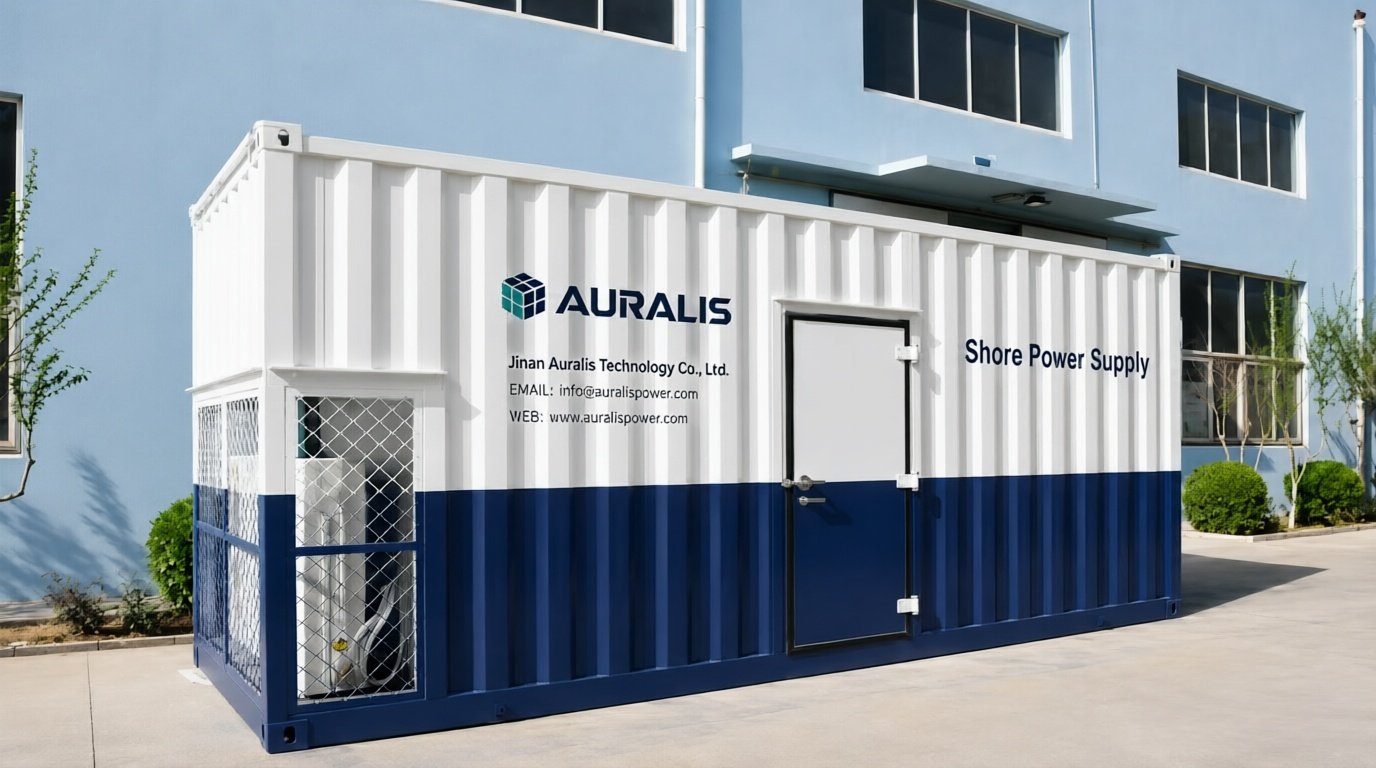
Indonesia Shore Power Project
Indonesia has committed to raising renewables to 34% of its power generation mix by 2030 and advancing its net-zero target from 2060 to 2050 — a national energy transition that maritime transport is increasingly folded into. Researchers and industry groups continue to flag that Indonesia currently has no dedicated regulation specifically targeting greenhouse gas emissions from maritime transport, even as low-sulphur fuel obligations have already been introduced — creating a policy gap that port operators are filling ahead of formal mandate, often as part of ESG commitments tied to international shipping line contracts.
Indonesia’s national climate commitments (34% renewables by 2030, net-zero by 2050) are pulling port and shipping emissions into scope even before dedicated maritime GHG regulation is finalized — making early shore power adoption a way to get ahead of a regulatory gap that is actively being studied by Indonesian researchers and policymakers.
AURALIS supplied a 4,800kVA total shore power installation to support this transition, sized for container and bulk vessel calls at berth.