
GYBP60
High Voltage Shore Power
CCS certified 3–10kV medium-voltage marine shore power system, engineered in line with the international High Voltage Shore Connection (HVSC) standard IEC/IEEE 80005-1 — for ports, cruise terminals, large port infrastructure and offshore platforms.
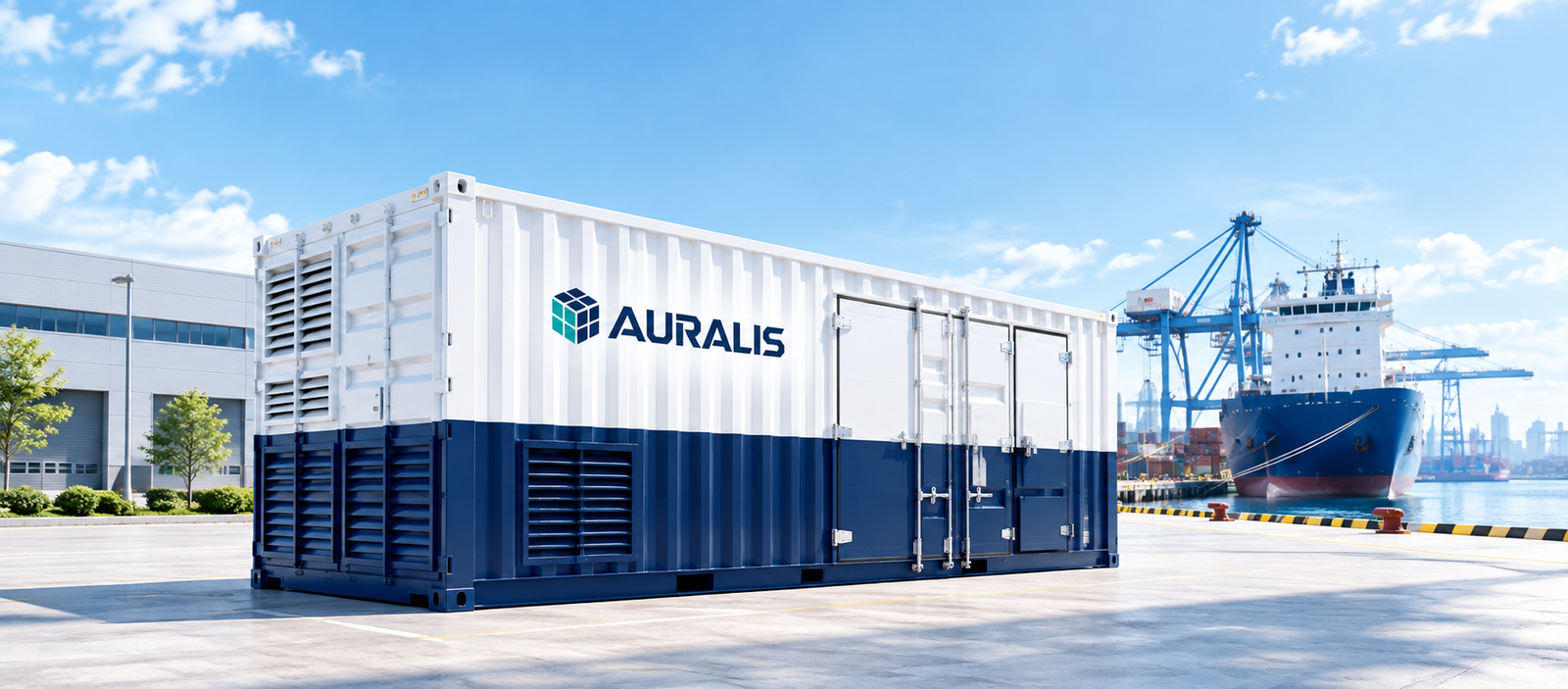
Medium-Voltage Shore Power for the Largest Vessels at Berth
The GYBP60 high voltage shore power system is a marine frequency converter shore power solution engineered to take 3–10kV medium-voltage input directly from port substations, delivering selectable 0.4kV–10kV output for the largest vessels and highest-demand offshore platforms. It is designed in line with the scope of IEC/IEEE 80005-1 , the international standard governing High Voltage Shore Connection (HVSC) systems. Fully compliant with China Classification Society (CCS) marine product certification standard JTS-155-2019, GYBP60 is built for cruise terminals, large port infrastructure and offshore drilling platforms that need shore power beyond the 5,000kVA low voltage ceiling.
Product & Application Images
High Voltage Shore Power — series image
GYBP60 High Voltage Shore Power Specifications — 1,250kVA to 10,000kVA
Complete technical data for the GYBP60 high voltage series. Contact us for full datasheets and CAD drawings.
| Model | GYBP60-3312500 | GYBP60-3316000 | GYBP60-3320000 | GYBP60-3330000 | GYBP60-3350000 | GYBP60-3380000 | GYBP60-33100000 |
|---|---|---|---|---|---|---|---|
| Rated Power | 1250kVA | 1600kVA | 2000kVA | 3000kVA | 5000kVA | 8000kVA | 10000kVA |
| Input Voltage | 3–10kV (±10%), 3-phase 3-wire + PE | ||||||
| Input Frequency | 50/60Hz (±10%) | ||||||
| Output Voltage | 0.4kV / 0.44kV / 6.0kV / 6.6kV / 10kV (selectable) | ||||||
| Output Current | 120A | 153A | 192A | 288A | 480A | 768A | 960A |
| Output Frequency | Fixed: 50/60Hz | Adjustable: 45–65Hz | ||||||
| Voltage Harmonics | ≤3% | ||||||
| Response Time | ≤20ms | ||||||
| Efficiency | ≥90% | ||||||
| Overload Capacity | 120–150%: 1min | 150–200%: 2s | ≥200%: immediate shutdown | ||||||
| Remote Communication | RS485 / LAN, Modbus RTU / Modbus TCP-IP | ||||||
| Protection Rating | Unit: IP20 | Optional Container: IP54 | ||||||
| Operating Environment | -20°C to 45°C, 0–95% RH, continuous 24-hour operation | ||||||
Note: Values shown are standard reference specifications. Contact our engineering team for project-specific configuration and full CCS certification documentation.
Where GYBP60 High Voltage Shore Power Fits
Four scenarios where medium-voltage input and higher power capacity are the deciding factor.
Cruise Terminals
Cruise ships can draw 5,000–10,000kVA at berth for hotel loads, HVAC and onboard systems — well beyond what a 380V system can safely deliver. GYBP60's medium-voltage input and higher current capacity are built for exactly this load profile.
Large Port Terminals & Port Electrification
Ports already running 3–10kV substations for cranes and terminal operations can tie high voltage shore power for ports directly into existing medium-voltage infrastructure — a common approach in port electrification system upgrades — avoiding costly step-down transformer additions.
Offshore Drilling Platforms
Remote, high-demand offshore operations need a compact power footprint at the highest capacity per unit — GYBP60's selectable output voltage (0.4–10kV) matches platform-side equipment directly.
Large Bulk & Container Berths
Ultra-large container vessels (ULCVs) and bulk carriers at a container terminal with high onboard electrical demand exceed the 5,000kVA ceiling of low voltage systems — GYBP60 scales up to 10,000kVA per unit. Need a shore power system for container terminal use at or below 5,000kVA instead? See our AC60 low voltage series.
CCS Certified High Voltage Shore Power System (HVSC)
Every GYBP60 shore power system is manufactured to fully satisfy China Classification Society (CCS) marine product certification standard JTS-155-2019 — giving port authorities, cruise terminal operators and EPC contractors full confidence in regulatory compliance. Design and operation follow the scope of IEC/IEEE 80005-1, the international standard for High Voltage Shore Connection (HVSC) systems.
- CCS marine product certification (JTS-155-2019)
- Designed in line with IEC/IEEE 80005-1 (HVSC) international standard
- High/low-voltage switchgear compliant
- Power quality standards compliant
- Withstand voltage: 2000Vdc / 60s, no breakdown
- Insulation resistance: ≥20MΩ @ 500Vdc
- Grounding resistance: ≤100mΩ
GYBP60 High Voltage Systems in Service Worldwide
A selection of our global shore power projects within the GYBP60 high voltage capacity range (1,250–10,000kVA). See all projects for full local policy context and sourcing.
Morocco
1,250kVA shore power project
Indonesia
4,800kVA total capacity shore power project
Spain
Positioning ahead of the EU FuelEU Maritime 2030 mandate
Note: Case studies above reflect projects within our overall shore power portfolio; contact us to discuss GYBP60-specific reference installations for your capacity range.
High Voltage Shore Power System — Frequently Asked Questions
Common questions from port authorities, cruise terminal operators and EPC contractors evaluating the GYBP60 series.
What's the difference between a high voltage and a low voltage shore power system?
A high voltage system like GYBP60 takes 3–10kV medium-voltage input and covers 1,250kVA to 10,000kVA, typically for cruise terminals, large port infrastructure and offshore platforms. A low voltage system takes standard 380V input and covers 400kVA to 5,000kVA. See our Low Voltage Shore Power System page for details.
What is HVSC (High Voltage Shore Connection) and is GYBP60 aligned with it?
HVSC (High Voltage Shore Connection) is the international standard terminology defined in IEC/IEEE 80005-1 for supplying ships with electrical power from shore at medium/high voltage. GYBP60 is designed in line with the scope of this standard, alongside our CCS JTS-155-2019 marine product certification.
Is GYBP60 suitable for a container terminal or port electrification project?
Yes. GYBP60 is used in large container terminal and port electrification system projects that need more than 5,000kVA or that already run 3–10kV medium-voltage substations. For a shore power system for container terminal use at or below 5,000kVA, our AC60 low voltage series is typically the more cost-effective choice.
Does my port need existing medium-voltage infrastructure to use GYBP60?
GYBP60 requires 3–10kV input, so your port needs (or must plan for) a medium-voltage substation feed. If you don't yet have this and your power requirement is under 5,000kVA, our low voltage AC60 series connecting to standard 380V supply may be a faster, lower-cost option.
What output voltages does GYBP60 support?
Output is selectable at 0.4kV, 0.44kV, 6.0kV, 6.6kV, or 10kV, so the system can be configured to match the vessel or platform's onboard equipment voltage class directly.
Can GYBP60 supply a cruise ship's full hotel load?
Yes. The series covers up to 10,000kVA per unit, engineered specifically to absorb the large startup surges and continuous hotel-load demand of cruise vessels at berth without voltage drop.
What certifications does the GYBP60 series carry?
GYBP60 is manufactured to fully satisfy China Classification Society (CCS) marine product certification standard JTS-155-2019, covering power quality, withstand voltage, insulation resistance and grounding resistance requirements.
Is GYBP60 suitable for offshore drilling platforms?
Yes. Its compact power density per unit and selectable output voltage make it well suited to the space and power constraints of offshore platform installations.
What's the typical lead time for a high voltage shore power system order?
Lead time depends on model, power rating and configuration (containerized vs. cabinet-only), and can be longer than low voltage units due to medium-voltage switchgear sourcing. Contact our engineering team via the quote form below or WhatsApp for a project-specific lead time and quotation.